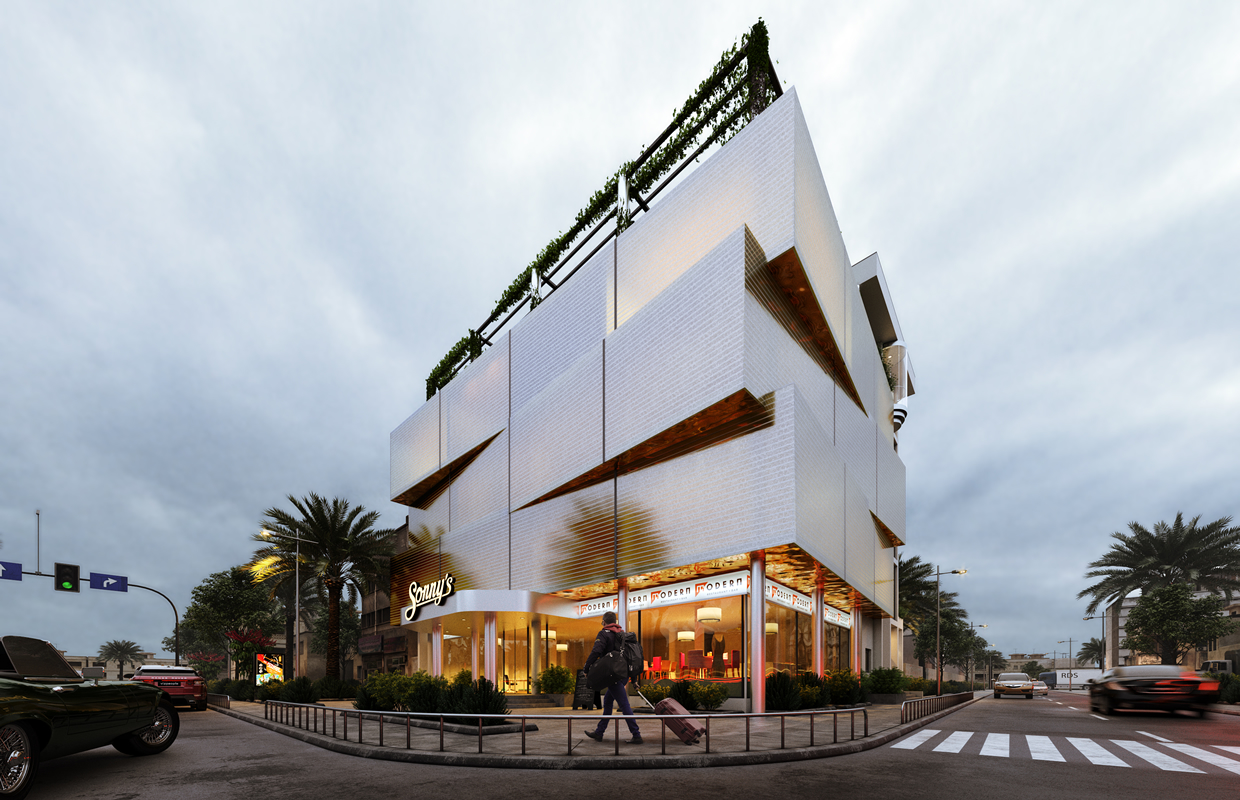
Commercial building design is more than just creating an attractive structure; it is about providing safe, efficient, and adaptable spaces for businesses to thrive. Whether for offices, retail centers, warehouses, or industrial facilities, professional design ensures that buildings meet the practical, aesthetic, and regulatory requirements of modern commerce.
A fundamental goal of commercial building design is operational efficiency. Every commercial space has unique requirements, and the layout should support the business’s workflow. For example, an office building should facilitate collaboration while offering private areas for focused work. Retail buildings need open, customer-friendly layouts that encourage shopping and traffic flow. Industrial buildings require strategic placement of machinery, storage, and workstations to maximize productivity and reduce hazards.
Safety is a top priority in professional Commercial construction services commercial building design. Architects and engineers must ensure compliance with building codes, fire safety regulations, and accessibility standards. Incorporating fire exits, sprinkler systems, reinforced structures, and accessible ramps protects occupants and reduces liability for building owners. Proper design also includes planning for seismic zones, heavy loads, and extreme weather conditions to maintain structural integrity.
Sustainability is now a central focus in commercial construction. Energy-efficient systems, green materials, and eco-friendly practices help businesses lower operational costs and reduce environmental impact. Designers often integrate features like high-performance insulation, solar panels, LED lighting, and water-efficient plumbing. Beyond cost savings, sustainable buildings can enhance corporate reputation, attract eco-conscious clients, and achieve certifications such as LEED or ENERGY STAR.
Aesthetics and brand alignment are equally important. A commercial building is often the first impression a client or customer gets of a business. Professional designers ensure that architectural style, interior finishes, and spatial layouts reflect the company’s image. From modern glass facades to contemporary office interiors, a visually appealing design can increase employee satisfaction, customer engagement, and overall brand perception.
Flexibility in design is another essential consideration. Businesses grow and change, and commercial buildings should accommodate these shifts. Modular office spaces, movable walls, and adaptable layouts allow for expansion or reconfiguration without major reconstruction. Flexible design reduces future costs and ensures that the building remains functional for years to come.
Technological integration is critical in today’s commercial buildings. Modern businesses require reliable IT infrastructure, smart automation systems, security solutions, and energy management tools. Incorporating these systems during the design phase ensures seamless installation and efficient operation. Well-integrated technology enhances both productivity and user comfort.
Lighting, ventilation, and indoor environmental quality are also key aspects of commercial building design. Proper natural and artificial lighting improves visibility and mood, while ventilation ensures fresh air and thermal comfort. A well-designed indoor environment contributes to employee health, reduces absenteeism, and improves overall efficiency.
Working with professional architects and design teams ensures that every project meets the highest standards. Experienced designers consider structural requirements, client needs, aesthetics, safety regulations, and sustainability goals. Their expertise minimizes errors, manages costs, and delivers a final product that is functional, safe, and visually appealing.
In conclusion, professional commercial building design is essential for creating spaces that are efficient, safe, and adaptable. It enhances operational performance, supports sustainability, reflects brand identity, and provides a positive experience for employees, clients, and customers. Investing in expert design services ensures that commercial buildings are both functional and aesthetically impressive, standing the test of time in an evolving business landscape.